
The 10 Greatest Surgeons in History—That Every Future Medical Student Should Know
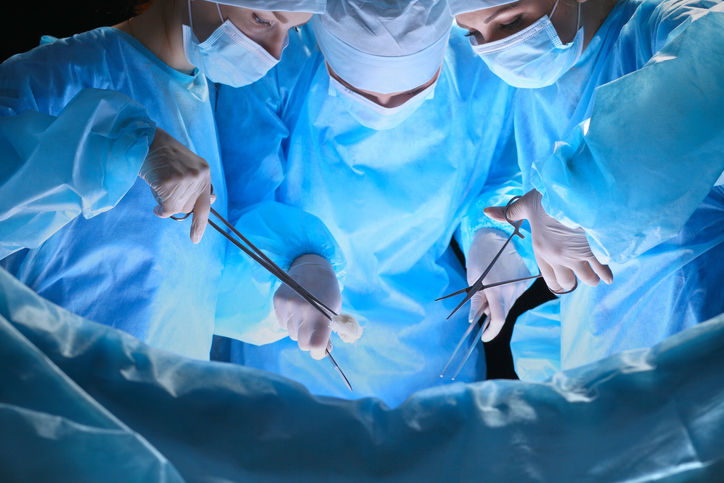
When we think of surgery today, we picture advanced imaging, robotic instruments, and highly skilled surgeons who save or transform lives. Yet this modern reality hides a far harsher past, when surgery was a dangerous and often desperate practice. Progress depended on surgeons who were willing to persist despite frequent failure, work creatively with limited tools, and challenge accepted practice in order to improve patient survival.
The surgeons of the past were more than skilled practitioners, they were pioneers. In this article, we’ll dive into the top 10 greatest surgeons of all time and explore how they made their mark on the world, offering inspiration to students who are considering a career in this prestigious area of medicine.
1. John Hunter (1728–1793) – Father of scientific surgery

At a time when surgery relied more on tradition than evidence, John Hunter transformed the field by insisting on observation, experimentation, and anatomy-based practice. Born in Scotland, he later moved to London and laid the foundation for surgery as a scientific, evidence-based discipline.
Key contributions:
Introduced experimental methods into surgical practice, emphasizing evidence over assumption.
Advanced understanding and treatment of inflammation, wound healing, and vascular disease.
Established the Hunterian Museum for research and education, with the collection amassing nearly 14,000 human and animal specimens.
Hunter was recognized during his lifetime for his pioneering approach, securing the role of Surgeon Extraordinary to King George III. His insistence on science over superstition reshaped surgery and influenced generations of surgeons who followed.
2. Crawford Long (1815–1878) – Innovator of anesthesia

Before anesthesia, surgery was a painful and traumatic experience. Crawford Long was an American surgeon and pharmacist who achieved one of the most significant breakthroughs in medical history; pioneering the use of inhaled ether as an anesthetic.
Key contributions:
Performed the first documented surgery using anesthesia in 1842 and introduced anesthesia during childbirth for his wife to manage pain in 1845.
Honored on “Doctors’ Day” in the US each year on March 30, the date of his first successful surgery.
Long’s discovery transformed surgery from a traumatic experience into a controlled, patient-centered medical practice.
3. Joseph Lister (1827–1912) – Pioneer of antiseptic surgery

It’s hard to imagine surgery today without meticulously sterilized tools and operating rooms, but this wasn’t always the case. Joseph Lister changed that by proving infections were preventable, which in turn dramatically improved survival rates following surgery.
Key contributions:
Pioneered the use of carbolic acid as an antiseptic, reducing postoperative mortality rates from approximately 50% to 15%.
Championed the sterilization of surgical instruments and operating rooms.
Influenced modern hygiene practices and inspired products, including Listerine antiseptic mouthwash named in his honor.
Inspired by Pasteur’s germ theory, Lister demonstrated that simple changes in cleanliness could save countless lives and redefine patient safety. His persistent efforts to control surgical infections make him one of the greatest surgeons in history.
4. Theodor Billroth (1829–1894) – Father of modern abdominal surgery
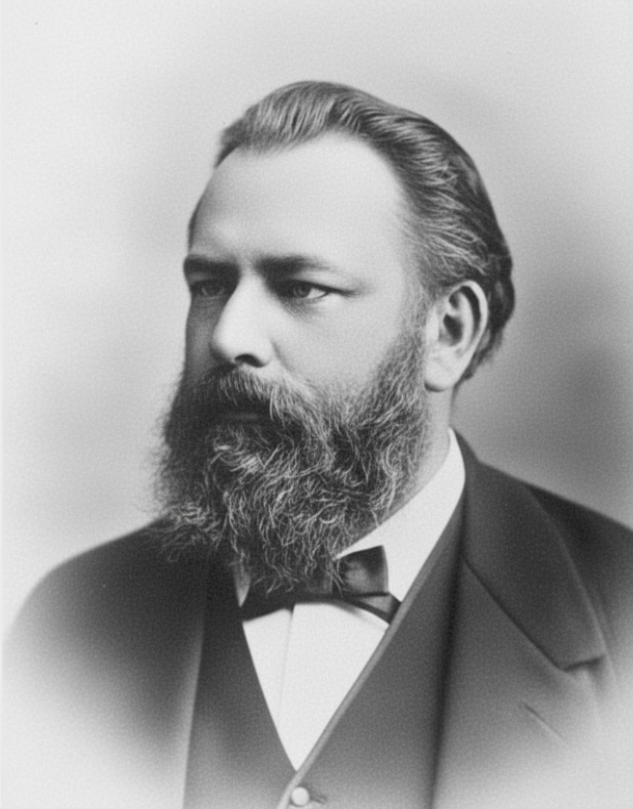
Abdominal surgery was once considered virtually impossible due to a lack of anesthesia, antisepsis, and advanced anatomical knowledge. Theodor Billroth changed this belief, developing techniques that made complex internal operations achievable.
Key contributions:
Performed the first successful stomach and intestinal surgeries, with techniques like the Billroth II still used by surgeons today.
Advanced Lister’s antiseptic methods and introduced the practice of surgical audits to improve understanding of evidence-based surgery.
Founded the Vienna School of Surgery to mentor prominent surgeons.
Billroth’s innovations, particularly his work in the abdominal region, shifted surgical practice from experimental, high-risk procedures to routine, effective treatments.
5. Harvey Cushing (1869–1939) – Founder of modern neurosurgery

Harvey Cushing brought precision, discipline, and safety to neurosurgery. What was once considered high-risk and often fatal was transformed into a respected area of medicine, with Cushing reducing mortality rates to less than 10%.
Key contributions:
Used X-rays to locate brain tumors and introduced slow-paced surgical techniques to improve patient outcomes.
Pioneer in endocrinology and expert on the pituitary gland, with one disease linking hormones to tumors named after him (Cushing’s disease).
Improved patient care by introducing systematic blood pressure and pulse monitoring tests during surgery.
Apart from being known as the father of neurosurgery, Cushing was also an avid artist, Pulitzer Prize author, and founder of the Cushing Library at Yale.
6. Kenji Takagi (1888–1963) – Pioneer of arthroscopic surgery

Born in Japan, Takagi revolutionized orthopedic surgery by proving that joints could be examined and treated internally without large incisions. His work laid the groundwork for many of the minimally invasive procedures we see today.
Key contributions:
Founded arthroscopic surgery, including the development of specialized instruments to visualize joint interiors with minimal trauma.
Contributed to early diagnosis of joint tuberculosis in knees to support better outcomes for patients following treatment.
Developed the first purpose-specific arthroscope (a thin, tube light instrument with a light and camera on the end) to examine the body with minimal invasion.
Despite initial limited recognition due to the barriers created by WWII, Takagi’s findings are now universally acknowledged as the origin of arthroscopic surgery.
7. Michael DeBakey (1908–2008) – Innovator of cardiovascular surgery

Michael DeBakey transformed heart and blood vessel surgery during the 20th century, saving countless lives through innovation and technical mastery. Across his career, he performed over 60,000 procedures and worked until he was 99 years old.
Key contributions:
Successfully completed the first coronary artery bypass in 1964, developing Dacron grafts for artery repair and creating the first ventricular assist pump.
Advanced cardiac and vascular procedures, including the first successful procedure to treat a stroke.
Invented 70+ surgical instruments and trained thousands of surgeons.
DeBakey turned once-fatal heart conditions into treatable medical problems. In recognition of his medical advances he won the Lasker-DeBakey Award in 1963, which was renamed in his honor in 2008.
8. John Charnley (1911–1982) – Pioneer of total hip replacement
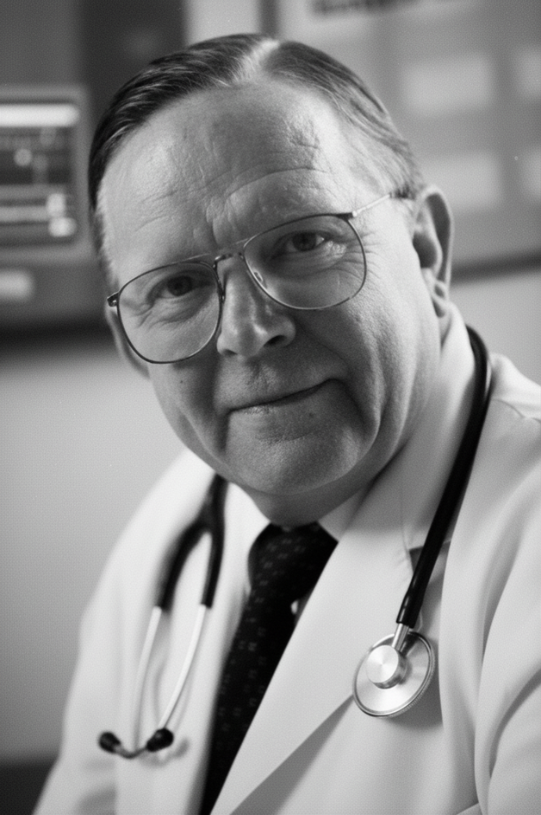
Chronic hip pain once meant a lifelong disability for many patients. Sir John Charnley changed that outcome by developing the hip replacement procedure; applying engineering principles to biology and transforming the treatment of hip disorders.
Key contributions:
Developed a ‘low friction arthroplasty’ concept, involving the use of stainless steel, plastic, and acrylic cement to create secure and durable hip replacements.
Introduced a “clean air” enclosure and ventilated body suits for surgeons to prevent infections in early hip surgeries.
Established the Wrightington Hospital in the UK, a center dedicated to hip surgery as well as methodical research and long-term study.
Charnley’s work restored mobility and independence to millions of patients worldwide through innovations like the Charnley Hip Prosthesis.
9. Gazi Yaşargil (1925–2025) – Father of modern microneurosurgery

Gazi Yaşargil revolutionized neurosurgery by introducing microscopic techniques that allowed surgeons to operate with unprecedented precision. Together with Harvey Cushing, Yaşargil is respected as one of the greatest neurosurgeons of the twentieth century.
Key contributions:
Introduced microscopic vision and crafted microsurgical tools to improve the outcomes of brain surgeries.
Established a renowned laboratory at the University of Zurich that trained over 3,000 neurosurgeons from around the world.
Yaşargil won Neurosurgery's Man of the Century (1950-1999) award for his contributions and passed away at his home in Switzerland just before his 100th birthday.
10. Thomas Starzl (1926–2017) – Father of organ transplantation

Organ transplantation was once considered impossible due to the human immune system being designed to reject foreign bodies. Thomas Starzl made it a lifesaving reality through persistence and scientific breakthroughs.
Key contributions:
Performed the first successful liver transplant and combined heart-liver transplant.
Mastered immunosuppressive drugs and advanced organ preservation methods.
Discovered microchimerism theory, which proposed that cells from an organ donor and recipient mixed to result in successful transplants.
Starzl was known for his intense work ethic, often working 24 hours a day, providing many patients with organ failure a second chance at life.
Wrapping up
The greatest surgeons of all time have left a lasting legacy that continues to shape modern medicine. From reducing pain and infection to making complex, once-impossible operations routine, their work transformed surgery into a safe, precise, and highly effective field. They saw possibilities where others saw risk, and their innovations continue to improve and save lives every day.
Surgery remains a demanding and rewarding career path with ongoing opportunities for impact and advancement. As medical technology, imaging, and minimally invasive techniques continue to evolve, skilled surgeons are needed across a wide range of specialties, from general and orthopedic surgery to neurosurgery and transplantation. The field continues to attract individuals who are motivated by challenge, responsibility, and the chance to make a direct difference to patient outcomes.
As shown by these ten surgeons, success in surgery goes beyond technical knowledge alone. It requires resilience, creativity, careful observation, and the confidence to question established practices. By developing these qualities, students interested in medicine can prepare themselves not only for the challenges of surgical training, but for a career that has the potential to leave a lasting impact on the lives of others.
For students ready to take the next step, opportunities to explore medicine early can make a meaningful difference. World Scholars Academy’s medical courses provide a structured introduction to key concepts, guided by expert instructors from leading universities, while building the academic skills needed for future study. For those seeking a more advanced experience, medical research internships with World Scholars Academy offer the chance to work closely with researchers, develop independent projects, and gain insight into the realities of clinical and scientific work. Together, these programs help aspiring surgeons move from inspiration to action, building the foundation for a future in medicine.


