
The 10 Best Universities for Medical School
For aspiring physicians, choosing the right medical school can shape the trajectory of an entire career. The nation’s top medical schools offer far more than a medical degree—they provide access to groundbreaking research, mentorship from world-renowned faculty, and clinical training at some of the world’s leading hospitals. These environments allow students to work at the forefront of medical discovery while building the skills needed to deliver state-of-the-art patient care.
Attending a top medical school can also open doors to powerful professional networks, competitive residencies, and leadership opportunities across medicine, research, and public health. From pioneering biomedical breakthroughs to innovative approaches to medical education, these institutions play a central role in shaping the future of healthcare.
To help you explore your options, we’ve compiled a list of the 10 top medical schools in the United States, highlighting what makes each one distinctive—from cutting-edge research programs to exceptional clinical training and career-building opportunities.
1. Harvard University, Boston, MA

Founded in 1782, Harvard Medical School has played a major role in shaping modern medical education. The school consistently achieves the top global ranking for medical schools and holds a strong reputation in the field of biomedical research. Students also benefit from studying in Boston’s renowned Longwood Medical Area, which hosts 221 acres of medical institutions, hospitals, and academic centers.
Highlights include:
Diverse training at prestigious hospitals. Students can gain diverse clinical experience by rotating through more than 15 affiliated institutions, including Massachusetts General Hospital, Boston Children’s Hospital, and Brigham and Women’s Hospital.
Global leader in biomedical research. Harvard faculty and researchers have contributed to major discoveries in genetics, immunology, and neuroscience, and the school consistently ranks among the top recipients of global research funding.
Harvard–MIT Health Sciences and Technology (HST) program. This academic pathway allows students to combine medicine with engineering and advanced biomedical science in collaboration with MIT.
Impressive alumni network. Harvard holds the record for training the most Nobel Prize winners in the field of medicine, including Dr. Joseph Murray, who performed the world’s first successful organ transplant in 1954.
Admission to Harvard is competitive, with the selection committee looking for students with strong academics as well as integrity, maturity, leadership potential, and an aptitude for working with people. Seeking out opportunities to hone these skills via medicine internship opportunities, team-based activities, and volunteer work can help your application impress.
2. Stanford University, Stanford, CA
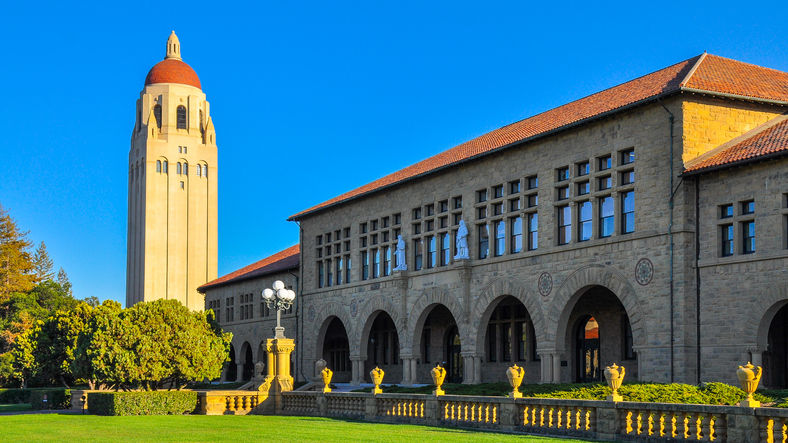
Located in the heart of Silicon Valley, the medical school at Stanford is recognized for its pioneering research, personalized curriculum, and strong culture of entrepreneurship. For students interested in the future of medicine, in areas such as AI diagnostics or precision health to predict and prevent disease, Stanford offers one of the most forward-thinking academic environments in the world.
Highlights include:
Leader in medical innovation and precision health. Stanford is focused on transforming healthcare by predicting and preventing disease through personalized treatment, genomics, and advanced data analysis.
Strong connections to Silicon Valley. Students have access to engineers, entrepreneurs, and biotech startups in the region, allowing them to experience unique opportunities to develop next-gen medical technology.
Historic medical breakthroughs. Stanford physicians performed the first adult heart-lung transplant in the US and contributed to the development of the CyberKnife robotic radiation therapy system.
World-class, interdisciplinary faculty. Stanford’s professors include Nobel Prize winners and pioneers in genetics, neuroscience, and global health research.
Stanford offers a flexible, research-focused curriculum to medical students, which integrates emerging areas, such as AI in medicine, and requires students to complete concentrations alongside their clinical training. The emphasis is on leadership, creativity, and independent thinking. Admission is competitive, with acceptance rates around 2%.
3. Columbia University, New York, NY
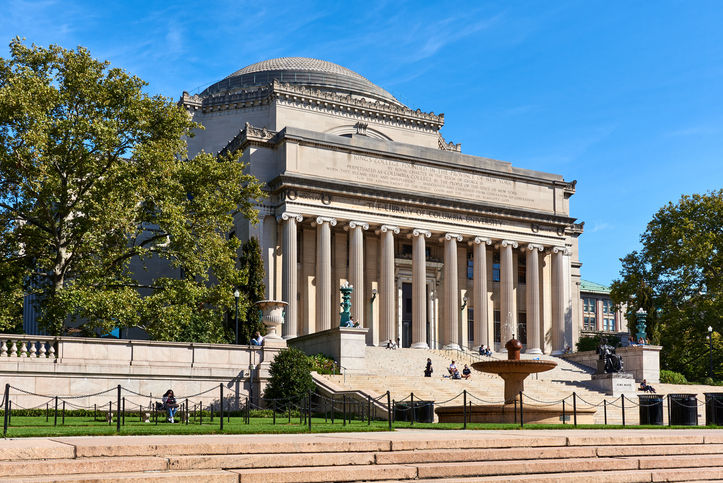
Founded in 1767, Vagelos College of Physicians and Surgeons (VP&S) at Columbia University was the first institution in the US to award the Doctor of Medicine (MD) degree. Today, the school remains one of the most selective medical programs in the world, with a class of around 100 medical students enrolled each year.
Highlights include:
Innovative and flexible curriculum. VP&S allows medical students to tailor their education through scholarly projects, electives, and an optional fifth year dedicated to research or dual-degree programs.
Elite research history. Columbia researchers have driven major medical breakthroughs, including the development of the Apgar score for assessing newborn health, early advances in medical lasers, and influential research in Alzheimer’s disease and cancer treatment.
World-class clinical training. Students train at New York-Presbyterian Hospital, consistently ranked among the best hospitals in the US, and can participate in distinctive programs such as the Columbia-Bassett Program, which emphasizes patient-centered care and rural healthcare systems.
Generous financial aid initiatives. Following a landmark $250 million gift from Roy and Diana Vagelos, the school replaced student loans with scholarships for qualifying students, helping reduce financial barriers to medical education.
Situated in the Washington Heights neighborhood of Manhattan, VP&S places students in the heart of one of the world’s most dynamic healthcare environments. Through its partnerships with New York-Presbyterian and other affiliated institutions, students gain exposure to a highly diverse patient population and a wide range of medical specialties.
4. Johns Hopkins University, Baltimore, MD

Since opening in 1893, Johns Hopkins University has set the global standard for medical education, pioneering the “Hopkins Model” that integrates scientific inquiry with hands-on patient care. Located in East Baltimore, the School of Medicine sits on an 80-acre urban medical campus with over 50 buildings, linking world-class research labs, clinical facilities, and one of the nation’s top hospitals.
Highlights include:
Financial accessibility. A transformative $1.8 billion gift in 2018 allows many students to attend tuition-free depending on household income, making world-class medical education attainable for a diverse range of applicants.
World-class research. Johns Hopkins was a key contributor to the monumental 13-year Human Genome Project and continues to lead cutting-edge work in biomedical engineering, oncology, and infectious diseases.
Global and elective programs. Students can pursue international rotations and research, gaining experience in underserved communities and global health initiatives across Africa, Asia, and Latin America.
Mentorship and early clinical exposure. With small class sizes and structured mentorship programs, students begin hands-on patient care and lab research from the first year, cultivating leadership and clinical expertise.
Baltimore’s East-side medical corridor gives students access to a diverse patient population, complex healthcare challenges, and a rich urban environment, creating a dynamic training ground for future leaders in medicine, research, and global health.
5. Yale University, New Haven, CT

Few medical schools have influenced the philosophy of medical education as much as Yale School of Medicine. Best known for the distinctive 'Yale System', the program emphasizes collaboration, independent thinking, and intellectual curiosity rather than competition. The medical school, founded in 1810, has built a global reputation for combining academic freedom with advanced scientific training.
Highlights include:
Renowned Yale System. Instead of traditional grades during the pre-clinical years, students receive narrative evaluations and complete fewer exams, creating a learning environment that prioritizes deep understanding over competition.
Mandatory research thesis. Every Yale medical student completes an original research project before graduating, ensuring early exposure to scientific discovery and contributing to the school’s strong record of student publications.
Historic medical discoveries. Yale researchers played key roles in developing early chemotherapy treatments and antibiotic therapies. Notable alumni include Dr. Harvey Cushing, widely regarded as the father of modern neurosurgery.
Flexible dual-degree pathways. Yale offers several joint programs—including MD/PhD, MD/MPH, MD/MBA, and MD/MHS—allowing students to combine medical training with research, public health, policy, or business.
Studying medicine at Yale offers diverse opportunities, whether following a traditional path via clinical experience at Yale New Haven Hospital or being at the forefront of biotech (the school has launched 186 biotech companies from its research programs). The campus itself blends modern facilities with iconic landmarks like the Sterling Hall of Medicine, a grand limestone building with a 450-seat auditorium.
6. University of Pennsylvania, Philadelphia, PA

The Perelman School of Medicine at the University of Pennsylvania is the oldest medical school in the US, established in 1765. Its creation was strongly supported by Benjamin Franklin, who believed medical education should be grounded in scientific observation and practical training. Today, Penn continues that tradition as a global leader in biomedical research and innovation, ranking in the top five universities for NIH funding.
Highlights include:
Accelerated pre-clinical curriculum. Students complete foundational science coursework in just 1.5 years, allowing them to transition earlier into clinical training and gain additional flexibility for research, electives, or dual-degree study.
Breakthrough medical innovations. Penn researchers helped develop CAR T-cell therapy, a revolutionary immunotherapy for cancer treatment, as well as contributing to advances in mRNA technology and precision medicine.
Integrated learning spaces. The Henry A. Jordan Medical Education Center places students directly within an active clinical and research environment alongside practicing physicians and scientists.
Mentorship culture. Through the Perelman Houses advisory system, students are placed in small communities led by faculty mentors and clinicians, creating a collaborative environment that supports academic development and career planning.
The Penn Medicine network of hospitals exposes students to a wide range of medical specialties and patient populations. Combined with Penn’s collaborative campus culture and strong emphasis on research and innovation, medical students are able to prepare for careers in clinical medicine, research, and healthcare leadership.
7. New York University (NYU), New York, NY

NYU Grossman School of Medicine has rapidly emerged as one of the most competitive US medical schools. Based in Manhattan and closely integrated with the NYU Langone medical center, the school secures top global rankings for medical research and is recognized for delivering elite clinical training.
Highlights include:
Full-tuition scholarships for all MD students. In 2018, NYU became the first top-ranked medical school in the US to eliminate tuition costs for all MD students, regardless of merit or financial need.
Accelerated three-year MD pathways. Select students can complete their medical degree in just three years through specialized programs that streamline coursework and connect directly with residency placements in certain disciplines.
C21 Curriculum (Curriculum for the 21st Century). This flexible curriculum integrates foundational science with clinical experience from the first year. Through early “bedside sessions,” students apply classroom learning to real patient cases much earlier than in traditional medical programs.
Groundbreaking surgical innovation. NYU Langone surgeons performed the first successful face transplant in the United States in 2012.
Global health opportunities. Students can participate in international research and clinical rotations through partnerships in regions including Ghana and Uganda, gaining valuable insight into global healthcare systems and public health challenges.
Through the NYU Langone Health system, students gain exposure to a wide range of specialties while working alongside leading physicians and researchers. Admission is extremely competitive—NYU often reports acceptance rates as low as 1–2%, among the lowest of any medical school—reflecting both the program’s relatively small class size and the high volume of applications it receives each year.
8. Vanderbilt University, Nashville, TN

Located in Nashville, Tennessee, Vanderbilt’s medical school is recognized for combining world-class biomedical research with a collaborative, student-focused learning environment. Through close integration with Vanderbilt University Medical Center, students benefit from early clinical experience, strong mentorship, and access a leading healthcare system.
Highlights include:
Innovative Curriculum 2.0. Vanderbilt’s modern curriculum emphasizes early clinical exposure, small-group learning, and flexible scheduling.
Leader in biomedical research. Vanderbilt consistently ranks among the top US medical schools for National Institutes of Health (NIH) funding, supporting hundreds of research projects in fields such as genetics, neuroscience, and cancer biology.
BioVU precision medicine research. The university houses BioVU, one of the largest biobanks in the world, linking genetic data with electronic health records and enabling groundbreaking research.
Elite training. Students gain hands-on experience at Vanderbilt University Medical Center, which includes the region’s only Level I Trauma Center, and The Monroe Carell Jr. Children’s Hospital provides training opportunities in pediatric specialties.
Vanderbilt is well known for its high levels of student satisfaction, with many graduates citing the strong mentorship and close-knit community as key strengths of the medical school. Combined with Nashville’s growing healthcare and research ecosystem, future physicians can gain exceptional clinical experience while contributing to innovative medical research.
9. Dartmouth College, Hanover, NH

The Geisel School of Medicine at Dartmouth offers a distinctive medical education in a close-knit academic community. Founded in 1797, Geisel combines advanced scientific training with a strong focus on healthcare delivery, public health research, and community-based medicine, all delivered within a supportive environment that emphasizes mentorship and collaboration.
Highlights include:
Pioneers in healthcare delivery science. Geisel is home to The Dartmouth Institute, a global center that studies healthcare quality, cost, and access applied to shape national health policy.
Legacy of medical innovation. Dartmouth physicians contributed to early clinical uses of X-ray imaging and were among the first in the US to incorporate the stethoscope into medical training.
Flexible academic scheduling. The school’s distinctive “D-Plan” quarter system allows students to tailor their academic calendar, providing flexibility for research projects, global health experiences, or specialized clinical training.
Leadership in rural and global health. Geisel is known for its commitment to community medicine, offering extensive opportunities to work with underserved populations, both in rural New England and through international health initiatives.
Studying medicine at Dartmouth offers a unique balance of Ivy League academics and a small, highly collaborative class environment, giving students close access to faculty and personalized guidance. The surrounding natural landscape also enhances the student experience, providing opportunities for outdoor activities and a lifestyle that is closely connected to the New Hampshire environment.
10. University of California, Los Angeles (UCLA)

The David Geffen School of Medicine at UCLA has quickly risen to become one of the West Coast’s most influential medical schools. Located in Los Angeles and founded in 1951, it combines a fast-paced research environment with extensive clinical exposure, preparing students for careers as physician-scientists, clinicians, and healthcare leaders.
Highlights include:
Major research funding and breakthroughs. UCLA has delivered pioneering work in oncology, neuroscience, stem cell research, and immunology. This includes completing the first successful bone marrow transplant.
Distinguished faculty and notable alumni. Professors include Nobel Prize winners, National Medal of Science recipients, and world-renowned researchers. One famous alum is Dr. Anthony Fauci, who conducted early immunology research at UCLA before leading US infectious disease policy.
Outstanding clinical programs. Students train at UCLA Health, internationally recognized for leadership in organ transplantation, neurosurgery, cancer care, and advanced pediatric services.
Exposure to a diverse global city. Los Angeles offers students access to a wide range of healthcare challenges and patient populations, enhancing both clinical experience and cultural competence.
Studying at UCLA offers a uniquely immersive experience at the intersection of research, patient care, and global health innovation. Students benefit from mentorship with world-class faculty, early clinical exposure, and the vibrancy of LA, preparing them for careers that can influence healthcare locally and globally.
Wrapping up
Whether you apply to Harvard, Stanford, Johns Hopkins, or another leading institution, the right medical school can provide the foundation for a meaningful career in medicine. These universities have built their reputations by training generations of physicians and researchers whose work continues to advance healthcare and improve lives around the world.
Admission to these schools is extremely competitive. Successful applicants typically demonstrate outstanding academic performance—often with GPAs around 3.9 and MCAT scores above 520—alongside meaningful research and clinical experience. Opportunities such as medical internships, hospital shadowing, and research placements can help build practical insight into the profession, strengthen medical school applications and demonstrate a genuine commitment to a career in medicine.
Ultimately, choosing the right medical school is about more than rankings alone. Factors such as research opportunities, access to teaching hospitals, faculty expertise, and campus environment can all shape your medical education and future career. By carefully evaluating these elements, you can make a confident decision about where to pursue your medical education and begin your journey toward becoming a physician.


